
You’ve booked the flight, you’ve stared at Pinterest for months, and you’ve imagined yourself sipping an Aperol spritz in a sun-drenched piazza. Then you land, bleary-eyed and over-caffeinated, and within 48 hours you realize you’ve already blown half your budget on a series of completely avoidable, face-palm-worthy mistakes.
I’ve watched friends make these blunders, and I’ve committed more than a few myself (hello, €50 train station taxi and a melted chocolate bar in my passport pouch). Let’s fix that before you go. Here are the 15 dumb travel mistakes that trip up almost every first-timer in Europe, and exactly how to sidestep them.
Mistake #1: Overpacking Like You’re Moving There

I once hauled a 28-inch suitcase up five flights of narrow stairs in a Parisian Airbnb with no elevator. By the time I reached the top, I had a new life philosophy: never pack more than you can carry up a flight of 17th-century stairs.
You don’t need six pairs of shoes. You don’t need a hairdryer. European hotels and rentals rarely have sprawling closets, and those charming cobblestone streets will destroy your wheelie bag in seconds.
What to do instead:
-
Stick to a carry-on sized bag and a backpack.
-
Pack three bottoms, five tops, one dressy outfit, and layer like a pro.
-
Use packing cubes to compress and separate clean clothes from the “I’ve worn this twice” pile.
-
Laundry options exist everywhere; a quick wash in the sink with a travel detergent sheet takes five minutes.
Mistake #2: Cramming Six Cities into 10 Days
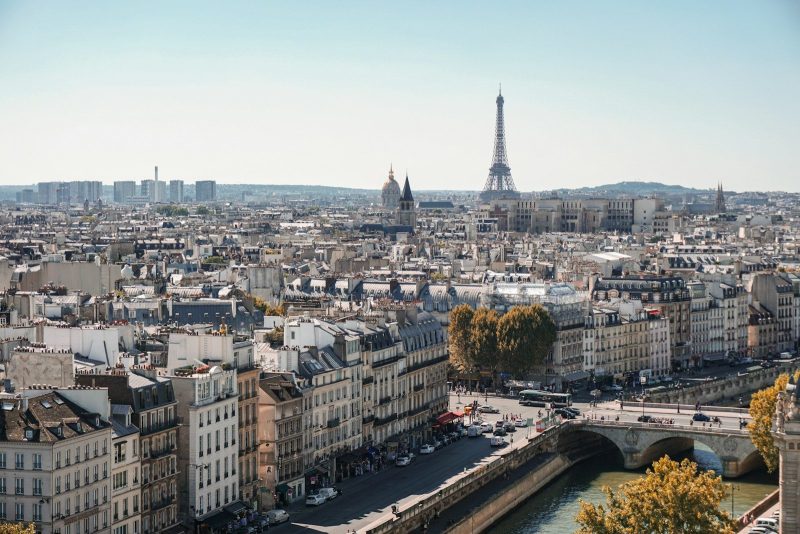
Paris, Amsterdam, Berlin, Prague, Rome, Barcelona. Sounds epic on a Google Doc, feels like a logistical nightmare in real life. You’ll spend more time on trains and checking in and out of hotels than actually seeing anything.
You lose at least half a day every time you change cities. Luggage storage, transit to the station, delays, finding your new place, unpacking, orienting yourself—it eats the trip alive.
A better pace:
-
For a 10-day trip, pick two, maybe three home bases.
-
Do day trips to smaller towns by train instead of moving hotels constantly.
-
Ask yourself: do I want to see a city, or do I want to experience it? Because those are two very different trips.
Mistake #3: Buying Train and Plane Tickets at the Last Minute
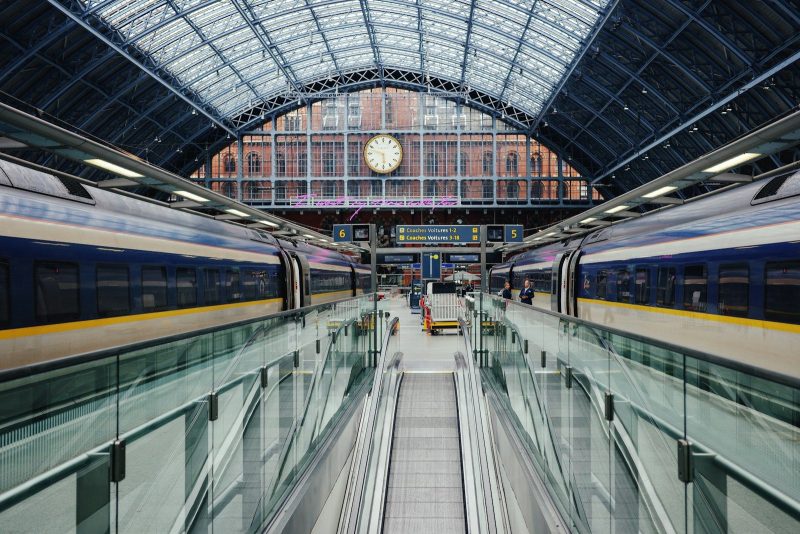
I stood at a ticket machine in Milan on a Friday afternoon, panic-sweating, as the price for a train to Rome climbed to €90. Booking last minute in Europe is punishingly expensive. High-speed trains and budget airlines work on dynamic pricing, just like hotels. The cheap seats vanish weeks ahead.
How to save serious cash:
-
Book intercity trains (Trenitalia, SNCF, Renfe, Deutsche Bahn) as soon as your dates are firm.
-
Check Omio or Trainline for comparisons, then always book direct on the rail operator’s site to avoid change fees.
-
For budget airlines, those €9.99 fares are real, but only if you book months in advance and fly with a personal item only.
Mistake #4: Eating Dinner at the Restaurant with the Big English Menu and a Guy Beckoning You In

If the menu has glossy photos, flags from 12 countries, and a waiter who says “my friend, special price for you,” run. The food will be microwaved mediocrity at triple the local price.
The golden rule: eat where you hear the local language. If the tables are full of Italians, Spaniards, or French families arguing about politics, you’ve found the right spot.
Actionable tips:
-
Walk at least three blocks away from any major monument or main square.
-
Use Google Maps reviews, but filter for recent reviews written in the local language.
-
Follow the “no view” rule—great views usually mean bad food and lazy kitchens.
Mistake #5: Relying 100% on Credit Cards and Zero Cash
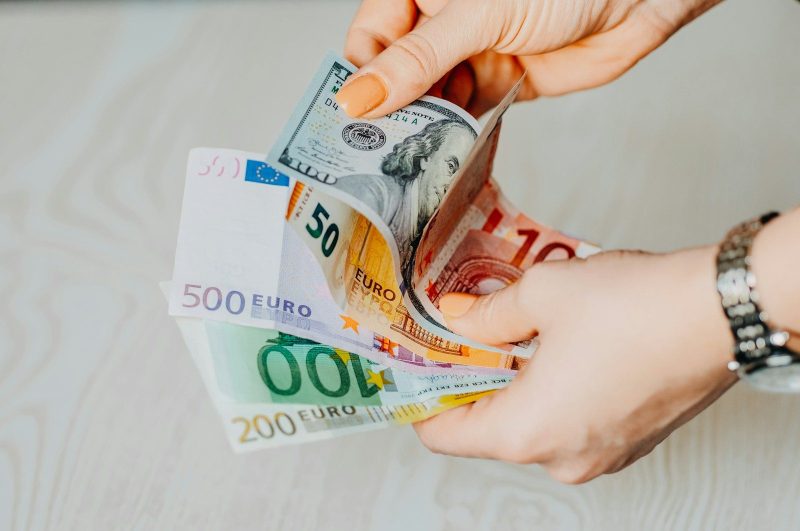 Yes, contactless is everywhere. But no, your American “no foreign transaction fee” card will not save you when a tiny bakery in Lisbon has a €5 minimum and the card machine is down. Always carry at least €50–€100 in cash, split between your wallet and a hidden pocket.
Also, always choose to pay in the local currency when the card terminal offers a conversion. Let your home bank do the math; the terminal’s dynamic currency conversion is a sneaky 5–8% upcharge.
Mistake #6: Skipping Travel Insurance Because “Nothing Will Happen”
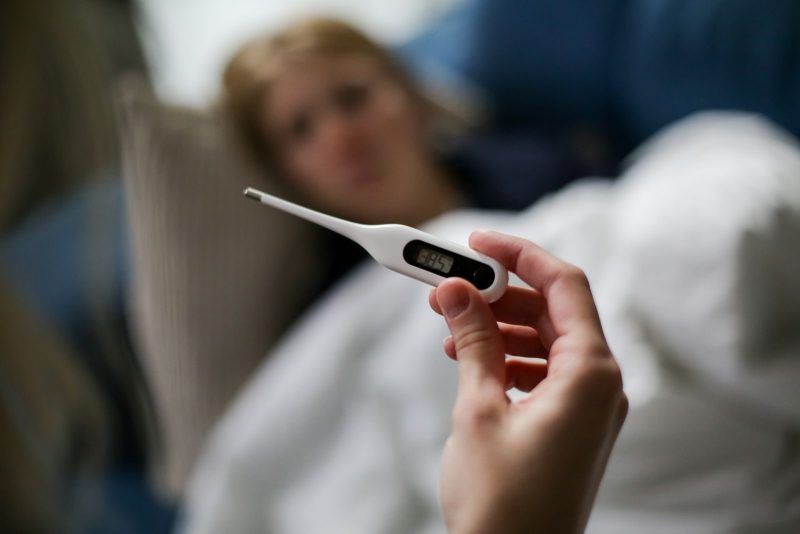
I promise you, something will happen. A strike will cancel your flight. A cobblestone will twist your ankle. Your bag will get snatched from your chair at a café in Barcelona (it’s a sport there). Travel insurance is not optional, it’s cheap peace of mind.
What you need:
-
A policy with at least $100,000 in medical coverage and solid emergency evacuation.
-
Coverage for trip delay, lost luggage, and theft.
-
Use a comparison site like InsureMyTrip or SafetyWing, and buy it within a week or two of your first trip deposit.
Mistake #7: Not Validating Your Train or Bus Ticket
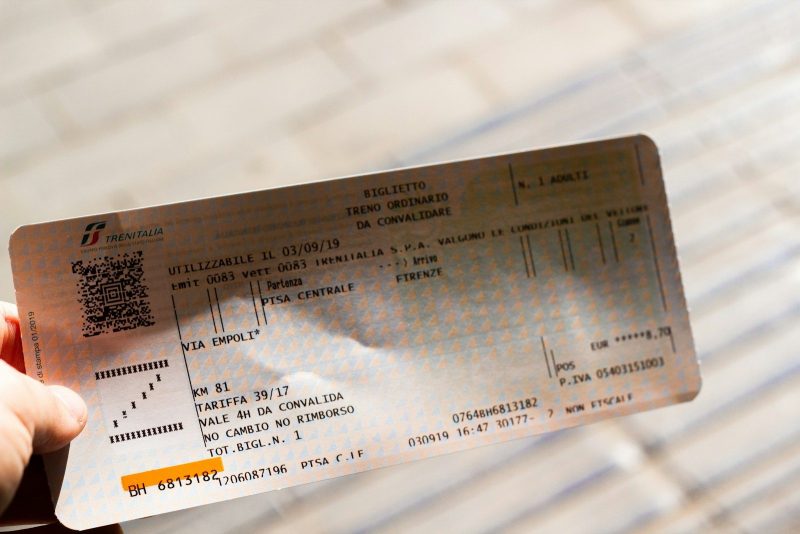
This might be the most frustrating, money-wasting mistake on the list. In many European countries (Italy, France, parts of Eastern Europe), you must physically validate a paper train or bus ticket at a small machine before boarding. If you don’t, you’ll be treated like a fare evader and slapped with a fine on the spot.
The machine stamps the time and date. No stamp, no valid ticket. I’ve seen tourist after tourist get a €50-plus fine from an unsmiling controller while pleading ignorance.
Check the ticket: if it has a blank space for a timestamp, find the little green or yellow validation box and insert it.
Mistake #8: Assuming Everyone Will Speak Fluent English
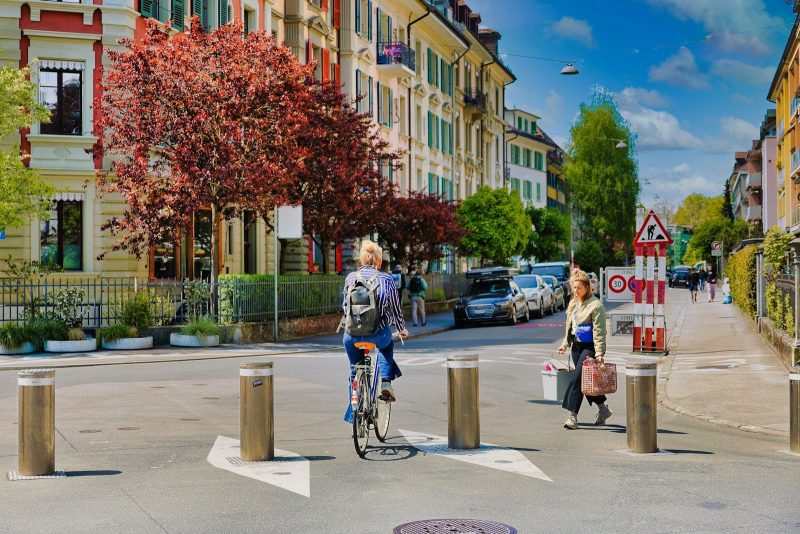
In the Netherlands and Scandinavia, you’ll be spoiled. In rural France, southern Italy, or a small village in Spain, you’ll quickly become a charades champion. Going in with zero local phrases can turn a simple transaction into a stressful standoff.
The five phrases you need in every language:
-
Hello / Good day
-
Please
-
Thank you
-
Excuse me / Sorry
-
“Do you speak English?” asked in the local language
Start every interaction with “Bonjour” or “Buongiorno” and watch how much warmer the response becomes. A smile and a terrible accent will get you further than confident English.
Mistake #9: Wearing Brand-New or Stylishly Flimsy Shoes
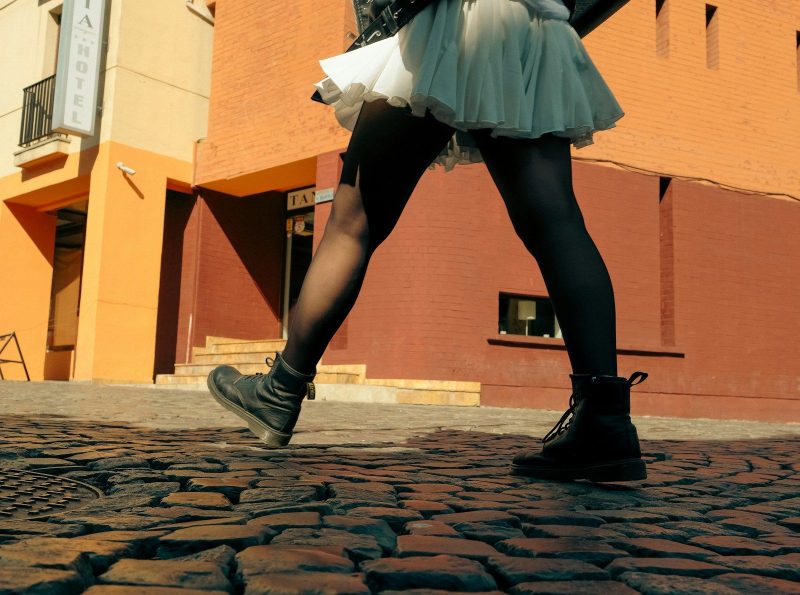
Europe’s cobblestone streets, marble church floors, and endless walking days will humble your footwear choices fast. I still cringe thinking about the friend who wore thin ballet flats to the Acropolis. Comfort is everything.
Shoe strategy:
-
Bring one pair of broken-in, supportive walking sneakers (white leather sneakers are the European uniform and go with everything).
-
A second pair of comfortable flats or loafers you can dress up.
-
If it hurts after 10 minutes in your living room, it will destroy your feet after eight hours in Rome.
Mistake #10: Not Checking Passport Validity and Visa Rules
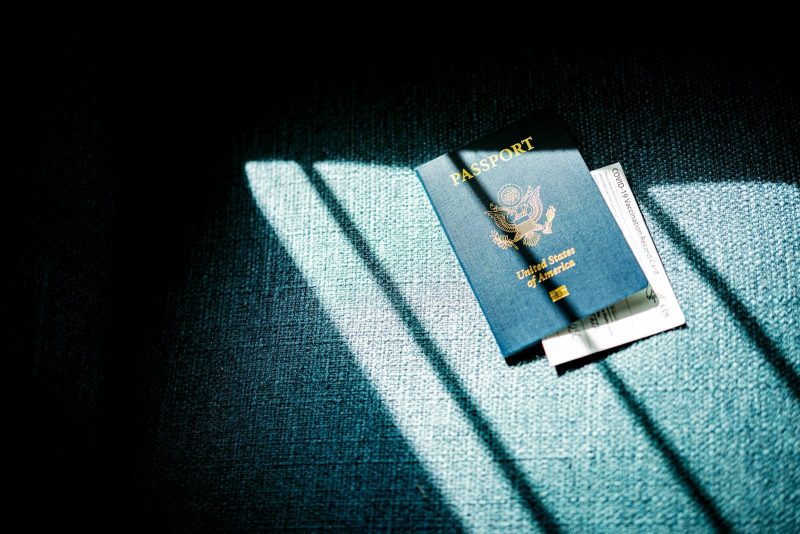
Your passport needs to be valid for at least three to six months beyond your planned departure date for most of the Schengen Area. If it expires sooner, you can be denied boarding. I’ve watched a devastated couple get turned away at the check-in desk in Newark.
Also, non-EU citizens get 90 days in the Schengen zone within any 180-day period. Overstay and you’ll face fines and possible entry bans. Count your days carefully if you’re doing a multi-country long trip.
Mistake #11: Paying a Small Fortune in Roaming Charges
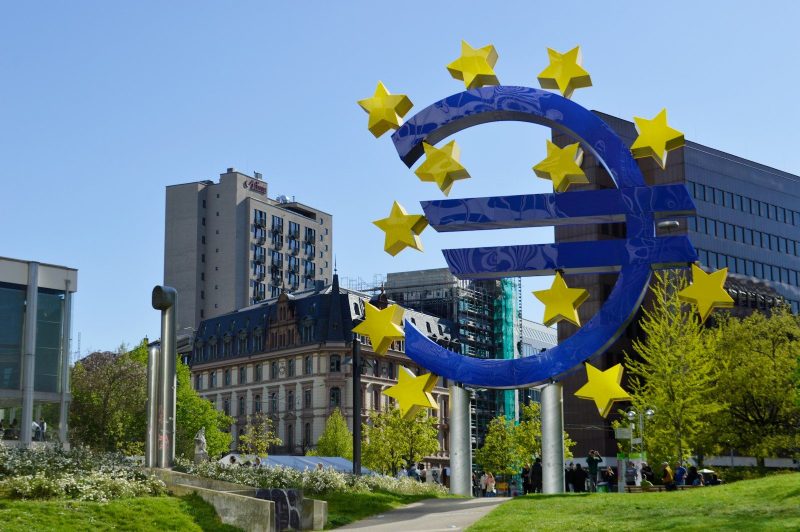 That “unlimited data” plan at home often does not apply in Europe, or it’s throttled to useless speeds. I’ve seen phone bills of over $300 because someone streamed a podcast on roaming. A local SIM or eSIM costs €10–€30 and takes 10 minutes to set up.
Best options:
-
Grab a prepaid SIM from a reputable local store (Vodafone, Orange, TIM) at the airport or in a city shop.
-
If your phone supports eSIM, download an app like Airalo before you even leave home.
-
Download offline maps in Google Maps for every city as a backup anyway.
Mistake #12: Booking Accommodation Miles Away from Public Transport
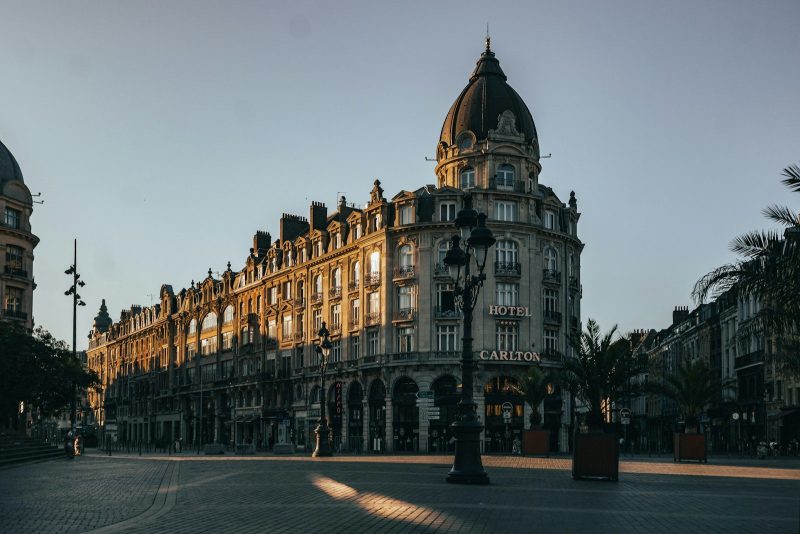
That adorable countryside farmhouse looked dreamy on Airbnb. Then you realized the nearest bus runs twice a day and you’re spending €40 on taxis just to get a coffee. Central location matters more than square footage.
Booking checklist:
-
Always check the distance to the nearest metro, tram, or reliable bus stop.
-
A place 15 minutes outside the city center can easily become an hour door-to-door.
-
Prioritize neighborhoods with late-night transit options if you want to enjoy a dinner that doesn’t end at 8 p.m.
Mistake #13: Not Booking Skip-the-Line Tickets for Major Attractions
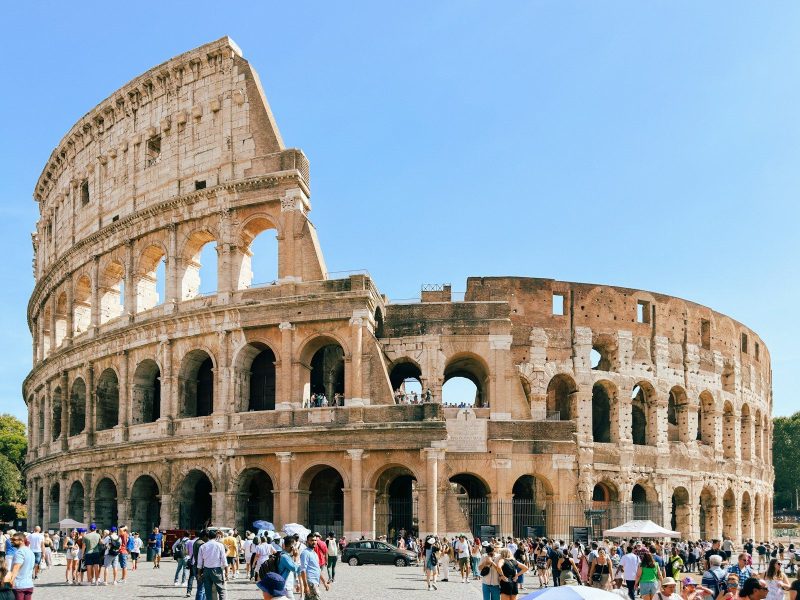
You will not believe the length of the general admission queue at the Colosseum, the Eiffel Tower, or the Vatican Museums in July. We’re talking two, three, sometimes four hours in the baking sun. Time is your most precious resource on vacation, don’t spend it standing behind a large tour group holding a plastic sunflower.
Pre-book, always:
-
Official websites release timed-entry tickets weeks or months ahead. Set a calendar reminder.
-
Even if it costs a few euros more, the “priority access” or “guided tour” option can save you a half-day of misery.
-
Early morning and late evening slots are less crowded and more magical.
Mistake #14: Blindly Trusting Google Maps Without a Backup Plan
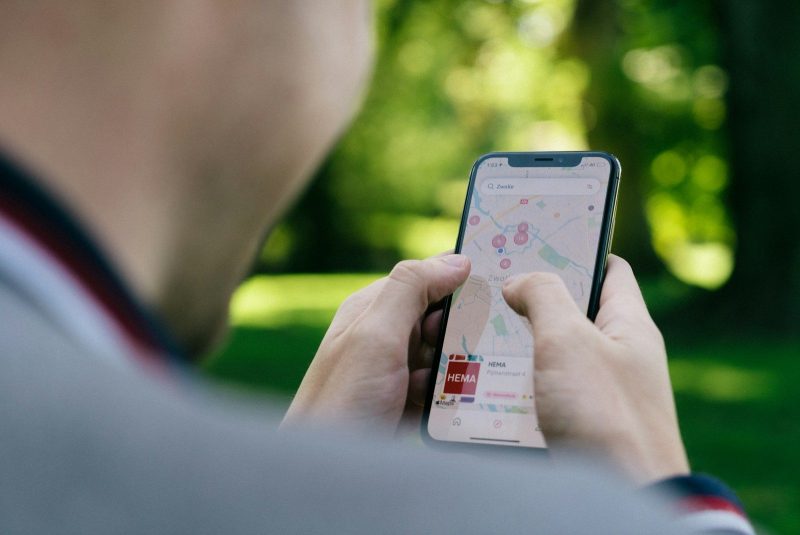
Google Maps is brilliant until you drop into a dead zone, your phone battery hits 5%, or the GPS decides you’re currently floating in a canal in Venice. Offline maps and a portable charger are non-negotiable.
Simple tech prep:
-
Download the offline map for your entire travel region before you leave Wi-Fi.
-
Carry a small power bank (5000–10000 mAh) and a charging cable in your day bag at all times.
-
Screenshot your hotel address and the nearest metro stop so you can show a taxi driver even if your phone is dead.
Mistake #15: Exchanging a Wad of Cash at the Airport Forex Desk
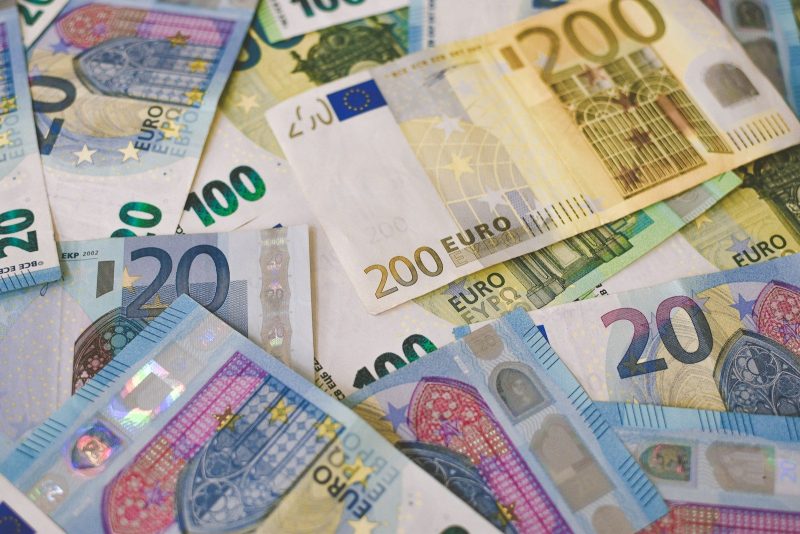
The exchange rates at airport kiosks are absolutely criminal. You’ll lose 10–15% the moment they hand you those colorful bills. I saw a friend change $500 into euros at JFK and receive barely €380 back. Don’t. Do. It.
How to get euros without getting fleeced:
-
Use a fee-free ATM card (like Schwab or Revolut) and withdraw local currency from a bank ATM at your destination. Decline the ATM’s conversion offer.
-
If you must carry cash, order it in advance from your home bank at a much better rate.
-
Never use Euronet ATMs (the blue and gold ones everywhere in tourist zones). They charge horrible fees and horrible rates. Find a real bank’s ATM instead.
Bottom line: Europe will be incredible, but a handful of small, smart decisions before you go will save you from stress, wasted money, and those moments where you want to scream into a baguette. Pack light, slow down, eat where the locals do, and always validate your train ticket.

